

License A & C-42 #458947

Originally published: January 2026

A pre-listing septic checkup is a professional inspection of your septic tank and drain field before you put your home on the market.
It helps sellers catch hidden failures early, avoid escrow delays, and reduce last-minute price credits—especially in Riverside and San Diego County transactions.
Septic issues are one of the fastest ways to trigger a home-sale setback: buyers request inspections, findings lead to renegotiation, and repairs can require scheduling, permits, or re-inspection.
A pre-listing checkup flips the leverage back to the seller by letting you fix problems early, price the home accurately, and provide documentation that builds buyer confidence during contingencies.
If your home is on a septic system, the sale can move quickly—until a buyer’s inspection uncovers a problem you didn’t know existed. That’s when timelines slip, credits grow, and everyone’s negotiating under pressure.
A pre-listing septic checkup lets you stay in control by identifying issues on your schedule, not the buyer’s.

A pre-listing septic inspection is a professional review of your septic system completed before you accept an offer.
A licensed inspector examines key components to confirm they function as designed and comply with local regulations.
This early inspection gives you clear facts, not just guesses.
Inspectors typically review the items below:
| Component | What the Inspector Checks |
| Septic tank | Condition, level, and leaks |
| Distribution box | Flow and balance |
| Drain field | Saturation and failure signs |
| Access points | Lids, risers, and safety |
| Records | Past pumping and permits |
The visit usually includes measurements and visual checks. Redfin explains what to expect during a septic tank inspection and why these steps matter during a sale.
You benefit when you act before buyers do. A pre-listing inspection helps you find issues on your schedule, not during escrow.
You can fix problems, price accurately, or disclose findings with confidence.
Canceled contracts often follow inspection surprises. Redfin reports that about 15% of contracts fell through in June 2025 due to inspection issues, which drives interest in proactive checks like a pre-listing inspection.
For septic homes, early review can prevent delays when buyers request proof. A septic check can also speed closing.
Wren Environmental notes that a septic system inspection when listing your home can reduce back-and-forth and keep timelines tight. You show readiness, not risk.
Lanik Septic Service helps sellers uncover hidden septic issues early, avoid escrow delays, and protect their listing price. Schedule your pre-listing inspection appointment now.
If you’re ready to get started, call us now!
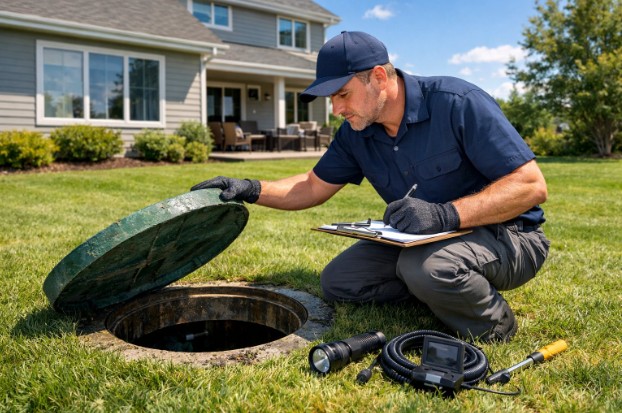
In real estate, a septic inspection identifies system condition issues, septic certification proves compliance with county or lender requirements, and routine maintenance (like pumping) is required.
Sellers often need both inspection and certification to satisfy escrow and local health department rules, especially in Riverside and San Diego counties.
A standard inspection is a detailed check of your septic system’s condition at a specific point in time. A licensed inspector examines the tank, distribution box, and drain field to confirm proper function and basic health compliance, as explained in this overview of a septic inspection process.
Inspections often include pumping so the inspector can see inside the tank.
A septic certification goes further. It formally states that your system meets local and state rules, which many lenders and counties require during a sale.
This type of approval confirms compliance, not just performance, as outlined in this guide to septic system certification requirements.
Septic maintenance covers routine care, such as pumping, filter cleaning, and minor repairs. Maintenance protects system life, but it does not replace an inspection or certification.
Unlike radon testing, which assesses indoor air quality, septic inspections focus on underground wastewater systems.
Southern California rules vary by county and city, so you must verify local expectations before listing.
In many areas, including Riverside and San Bernardino counties, a property transfer triggers either an inspection or a formal sign-off, depending on the system’s age and location.
This comparison of septic certification vs inspection in Southern California explains how local agencies treat each option.
You should also expect tighter standards near waterways or in high-density zones. Some jurisdictions require proof of recent pumping or limit certifications to a short validity window, often 90 days.
A maintenance record helps, but officials rarely accept it in place of an inspection. Planning early avoids delays once escrow opens and buyers request documentation.
| Term sellers hear | What it actually is | What it checks | What you receive | Why it matters for your home sale |
| Pre-listing septic checkup/inspection | Condition + function evaluation before listing | Tank condition, inlet/outlet components, distribution box, and drain field performance indicators | Written findings + recommendations | Prevents escrow surprises, reduces buyer leverage, supports pricing/disclosures |
| Septic certification | Documentation that the system meets local expectations for sale | Typically verifies key components and observable performance (may follow county forms/standards) | Certification-style paperwork/report | Helps satisfy buyer/lender requests and keeps escrow moving |
| Pumping (maintenance) | Routine removal of solids from the tank | Sludge/scum levels; may include basic visual notes | Pump receipt + service notes | Helpful for maintenance, but usually does not replace an inspection/certification report |
A licensed septic professional examines the system’s key components, including the tank structure, inlet and outlet tees, distribution box, drain field performance, sludge levels, and flow function.
They may use dye or flow tests to verify the liquid’s movement. Documented findings help sellers correct issues before buyer discovery and avoid last-minute renegotiations.
During a septic tank inspection, the inspection specialist checks the tank material, age, and structure. You’ll find out if cracks, corrosion, or loose lids could cause leaks or safety risks.
The inspector also measures sludge and scum levels to see if septic tank pumping is overdue. Baffles and filters matter because they control the flow of waste.
A damaged baffle allows solids to reach the drain field, causing early failure. Many inspectors follow steps similar to those outlined in a professional septic inspection process to document these issues.
You also get notes on access points and risers. Poor access raises future service costs and concerns for buyers.
The distribution box must evenly distribute wastewater to each line. If it tilts or clogs, part of the drain field can flood.
During a septic system inspection, the inspector checks alignment, cracks, and signs of root intrusion. The drain field shows problems through wet soil, odors, or thick grass.
These signs suggest poor absorption or saturated soil. Guides like this overview of what’s involved in a septic inspection explain why early detection matters before listing.
You also learn if heavy vehicles, patios, or trees damaged the field. Buyers often flag these issues during negotiations.
Flow tests show how well the system handles normal water use. The inspector runs water through sinks and toilets while watching levels in the tank and box.
Slow movement or backups signal blockages or collapsed lines. Some septic inspections include a sewer scope.
This camera checks pipes for breaks or buildup that a home inspector can’t see. Redfin outlines these steps in detail when explaining what to expect during a septic tank inspection.
You receive clear pass/fail notes. These results help you fix issues before buyers raise concerns.
A septic checkup before listing provides clear facts on system condition, timing, and costs. This step supports seller confidence, accurate pricing, and a faster closing by removing guesswork early.
You avoid last-minute problems by ordering a septic checkup before you list. Inspectors can flag issues while you still control the timeline.
You can schedule repairs or pumping without buyer pressure. Many sellers choose a septic inspection before listing a home to prevent surprise demands during escrow.
Buyers often request inspections after an offer. If problems appear, closings stall.
A proactive checkup also helps you plan service dates. Experts often advise pumping and inspecting your septic system before listing to keep records up to date.
Clean documentation speeds lender and county reviews.
What this reduces:
A documented septic checkup gives you facts, not opinions. You can share reports to show the system condition and the recent service.
This builds trust and keeps talks focused. When you know the system status, you can set accurate pricing.
You avoid padding the price to cover unknown risks. Buyers see fewer reasons to ask for credits.
Sellers often pair septic reports with a pre-listing home inspection to present a full picture. That approach limits renegotiation after the contract is signed.
You keep leverage because you already addressed known issues.
Negotiation advantages include:
Disclosure laws want sellers to be honest about known defects. A septic checkup lets you do that with clear records.
When you’ve got inspection reports, you can show exactly what the inspector found on a certain date. If you fix anything, keep those invoices with the report.
This paper trail shows you acted in good faith when selling your home. It’s a small step, but it can save you headaches later.
A pre-listing review fits right in with broader inspection practices, like a pre-listing inspection. These steps together help lower disputes after closing.
Keep these records handy:
Avoid last-minute septic surprises and strengthen buyer confidence by booking a proactive inspection with Lanik Septic Service before you list—Contact us to get started today.
If you’re ready to get started, call us now!
If you prepare early, you can avoid delays and surprises. Focus on getting your records together, ensuring access, and coordinating with your real estate agent and the inspector.
That way, you can better control inspection costs and timing.
Dig up proof of past care before the pre-inspection. Good records show you took care of things and help the inspector move faster.
This can help keep inspection costs from rising. Include copies of:
Put everything in one folder and share digital copies with your agent. Buyers trust homes with documented care. Inspectors need dates to judge wear.
This kind of prep makes for a smoother pre-sale septic inspection and avoids repeat visits that drive up costs.
Find and mark all the septic parts before the inspection. Clear access saves time and helps you dodge extra labor fees.
Locate:
Trim back plants, move cars, and uncover lids if you can do it safely. Don’t pump the tank right before the visit unless the inspector says so.
Inspectors need to see normal levels to judge how things work. If you know what to expect during a septic tank inspection, you’ll skip actions that cause delays or extra costs.
Get everyone on the same page early. Your real estate agent can recommend licensed inspectors and help you compare inspection costs without cutting corners.
Before you book, confirm:
If you can, ask your agent to attend. They can help document findings and plan disclosures.
Use clear access notes from guides on preparing a septic system for inspection. When everyone’s coordinated, you avoid rechecks and keep the timeline and inspection cost on track.
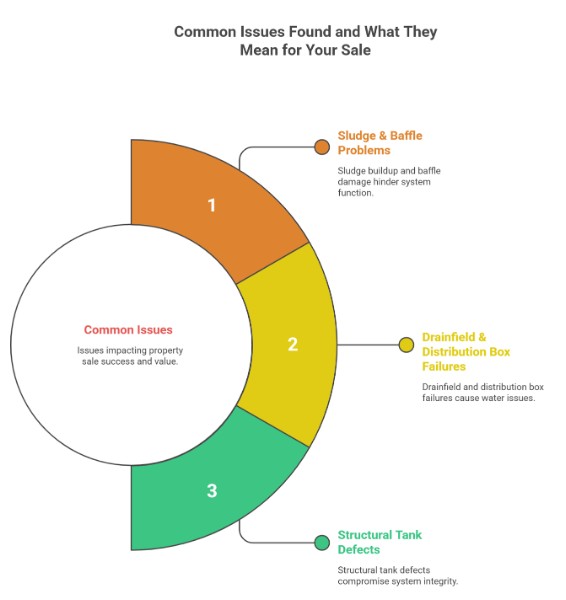
Septic inspections often reveal problems that affect value, timing, and buyers’ confidence. Most of these issues come from skipped maintenance, old parts, or hidden damage.
These things can drive up repair estimates and make buyers nervous.
Inspectors often see excess sludge in the tank. That’s usually from late or skipped pumping.
Too much sludge reduces tank capacity and allows solids to escape into the drainfield, potentially shortening the system’s lifespan. Broken or missing baffles are common, too.
Baffles control waste flow and protect the drainfield. When they fail, buyers may want fast repairs before closing.
Drainfield problems worry buyers the most. Inspectors look for soggy soil, slow drainage, or standing water—classic signs of water damage from saturated soil or blocked lines.
The distribution box can also settle or clog. When that happens, wastewater doesn’t spread evenly, and the drainfield fails early.
Cracks, corrosion, or tank collapse are serious. Concrete tanks might flake on the surface, while steel tanks often rust from the inside out.
Inspectors check tank lids and risers for safety issues. Structural defects raise safety and environmental concerns, and buyers see these as big red flags.
If there’s water damage near the tank, buyers get even more cautious.
Once you get your inspection report, you’ve got choices to make. The report guides repair decisions and shapes what you need to disclose.
It also affects how you handle buyer negotiations tied to the inspection contingency.
Go through the inspection report line by line. Focus on system function, safety issues, and signs of failure—don’t get hung up on cosmetic stuff.
A pro septic inspection usually covers the tank, baffles, and drain field, as you’d see in a typical septic inspection process.
If you find issues that could block financing or make buyers walk away, repairs usually make sense. Active leaks, failed drain fields, or tanks on the verge of collapse are good examples.
Minor items, like missing lids or overdue pumping, might not be worth fixing before listing.
Here’s a quick guide:
| Issue Type | Best Option |
| Health or failure risk | Repair before listing |
| Maintenance item | Disclose and price accordingly |
| Unclear finding | Get a second opinion |
Your inspection report changes what you need to disclose. Once you know about a septic issue, you have to disclose it—even if you plan to fix it later.
If you leave out known problems, you risk contract disputes or legal trouble after closing. Update your seller disclosure forms with specific facts, not opinions.
Say what the inspector found, when the inspection happened, and whether you fixed anything. Attach invoices or service records if you’ve got them.
Most sellers review disclosure updates with their agent after the inspection, such as the steps they take afterward. Keeping your listing accurate helps if questions pop up during escrow.
A clear inspection report gives you real leverage when you’re negotiating. If buyers raise concerns under the inspection contingency, you can point to documented facts rather than guess.
This approach keeps things less emotional and helps everyone stay focused on the real issues.
You usually have three routes to consider:
Buyers often ask for septic inspections, since repairs can get pricey—sometimes thousands of dollars.
Inspection costs themselves are all over the map, as you’ll see in this discussion of septic inspection costs for buyers and sellers.
If you share a professional report early, you can head off those wild demands and keep things moving along.
Protect your home sale with a professional pre-listing septic checkup that prevents delays, reduces buyer credits, and keeps escrow moving smoothly with Lanik Septic Service—Schedule your appointment today.
Is a septic inspection required to sell a home in California?
Not always statewide. Requirements can vary by county, lender, and purchase contract. Even when not legally mandated, buyers frequently request a septic inspection (and sometimes documentation) to remove uncertainty before closing.
Who pays for the septic inspection when selling a house?
In many transactions, the buyer pays for their inspection as part of due diligence. Sellers often choose a pre-listing inspection to control timing and negotiations, but payment can be negotiated in the contract.
What’s the difference between a septic inspection and a septic certification?
A septic inspection evaluates condition and function (tank, components, and drain field indicators). A septic certification is documentation that the system meets local expectations or standards for a transaction. Sellers should confirm which documents are required for escrow.
How long does a septic inspection take?
Most septic inspections take about 1–3 hours, depending on access, system type, and whether additional functional tests are needed. Complex or alternative systems can take longer, especially if records are missing or components are hard to locate.
What can cause a septic system to “fail” a home-sale inspection?
Common failure drivers include drain field distress signs, damaged or missing components, poor distribution, excessive solids, and evidence of backups or abnormal liquid levels. These findings can trigger repairs, credits, or re-inspection before closing.
Should I pump my septic tank before listing my home?
Pumping can help if the tank is overdue, but it doesn’t replace an inspection report. EPA guidance notes that many systems should be inspected every 1–3 years and pumped about every 3–5 years, depending on usage.
How do I prepare for a pre-listing septic inspection?
Gather recent pumping/repair records, confirm tank and drain field access, and disclose any prior issues. Ensure gates are unlocked, and areas are clear. Clear access and documentation help the inspection move faster and reduce buyer uncertainty.
Reviews
“This company is BEYOND helpful. Great customer service in the office, hard working employees in the field, reliable and very trust worthy. Having to replace an entire septic system is not something we ever intended on doing, but had to. If it hadn't been for Lanik Enterprises, Inc, I don't know where we would be. I HIGHLY RECOMMEND Lanik Enterprises!”
- Chanel Leos
