

License A & C-42 #458947

Originally published: January 2023 | Updated: November 2025
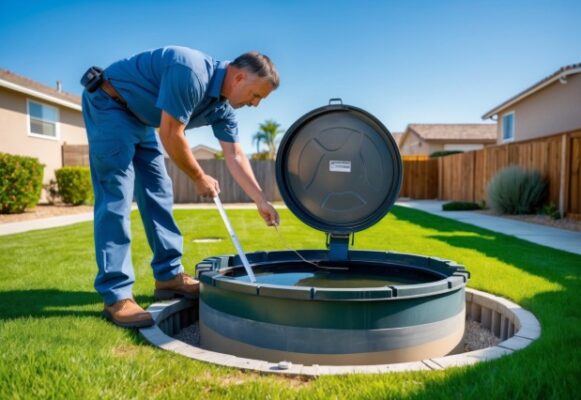
Signs your septic tank is full include slow drains, gurgling pipes, sewage odors, pooling water in your yard, or unusually green grass above the drainfield.
A septic tank collects and treats wastewater from homes that aren’t on city sewer systems.
California homeowners with septic systems really need to keep an eye on their tank levels to avoid expensive messes and environmental headaches.
Regular maintenance and inspection keep a septic tank working right. If tanks get too full, wastewater might overflow into your yard or back up into your house—a health hazard and a costly fix.

California homeowners can often spot a full septic tank thanks to a handful of obvious warning signs. Look for slow drains throughout the house, weird toilet noises, foul odors, and wet spots near the tank.
When a septic tank fills up, wastewater can’t flow like it should. That backup messes with multiple drains at once.
Usually, you’ll first notice water draining slowly from sinks—especially the kitchen, since it handles all that grease and food gunk.
Bathtubs and showers start to pool water around your feet or take ages to empty. It’s not subtle when it happens.
When several drains slow down at once, it’s probably a septic problem and not just a random pipe clog. If only one drain acts up, it’s likely a local issue, but if they’re all slow, your tank’s probably full.
California’s clay-heavy soils don’t help. Dense dirt slows absorption, so backups happen faster than in sandy spots.
Toilets are pretty honest when something’s wrong. If your tank’s full, they might bubble, gurgle, or make strange noises when you flush.
Slow flushing means waste has nowhere to go. Sometimes, the water level rises higher than usual before draining away at a snail’s pace.
Ever hear bubbling from the toilet when you use another drain? That’s trapped air, thanks to wastewater that can’t flow out.
Sometimes, toilet paper and waste come back up after flushing. It’s gross, but it happens when the system can’t take any more and pushes stuff back.
If all your toilets act up at once, you need to pump the septic tank. Is only one toilet having trouble? That’s likely just a clog.
Full septic tanks stink—literally. You’ll catch whiffs of sewage or rotten eggs, and that’s never a good sign.
Inside, those smells usually come from drains, especially in basements or utility rooms. They get worse when you run water or when it’s hot outside.
Step outside, and the odors might hit you near the tank or the drain field. California’s summer heat makes these smells even stronger.
Sometimes, wind spreads the stink across the property. If it’s bad enough, your neighbors might notice too.
Those nasty smells happen because gases escape when tanks get too full. Normally, the system keeps them contained, but not when it’s overloaded.
Don’t ignore septic smells. They mean something’s wrong and could be dangerous for your health.
Got standing water near your septic tank? That’s a red flag for overflow. That water often contains raw sewage—definitely not safe.
Pooling usually shows up right above or next to the tank. If you know where your tank is, you’ll spot this issue faster.
Soggy soil that stays wet even when it’s dry outside means septic trouble. The ground might feel squishy or make a weird sound when you walk on it.
If the water looks dark or dirty, that’s probably sewage. It smells awful, too, so don’t touch it without gloves or boots.
Heavy rain makes soggy spots worse. California’s rainy winters often reveal septic issues that you might not notice during dry spells.
Wet areas can spread if you ignore them. Call a pro for an inspection as soon as you see standing water.
If the grass above your septic tank looks way greener or grows faster than the rest, sewage is probably leaking out and acting like fertilizer.
These green patches usually match the tank’s shape underground. They stay lush even when the rest of your lawn dries out in California’s hot months.
You’ll notice the grass is taller in those spots, especially after mowing. The difference gets more obvious over time.
Some folks think it’s just healthy grass, but if it’s only happening above the tank, your septic system’s likely the culprit.
California’s dry summers make these patches stand out even more. The bright green really pops against the rest of the grass as it browns.
The grass might feel extra soft or thick, and those spots tend to stay wet longer after watering or rain.
If you’re ready to get started, call us now!
If your septic tank’s full, every drain in the house acts up at once. But a clogged pipe usually messes with just one spot. Drainfield issues cause standing water that won’t go away, even after you pump the tank.
When a septic tank maxes out, you’ll see problems all over the house at the same time. All the drains—kitchen, bathroom, toilets, laundry—start backing up together.
Slow drainage from every fixture is a classic sign. The toilet that used to flush quickly now gurgles and drains slowly. Kitchen sink? Takes forever to empty.
Multiple symptoms show up together:
It all happens at once. If the bathroom sink backs up, the shower will probably back up too.
A clogged pipe only causes trouble in one spot. The kitchen sink might be slow, but everything else works fine. That’s because clogs usually occur in the pipes feeding a single fixture.
Common isolated clogs:
You can usually connect the dots—maybe someone flushed too much toilet paper or dumped grease down the drain. To figure out if it’s a clog or a septic issue, check other drains in the house.
If everything else works, it’s just a clog. That’s a relief, right?
Drainfield failure leaves standing water or soggy ground above the field that just won’t dry out. This happens even if you just had the tank pumped.
The grass over the failed area grows thick and green. The sewage smell gets stronger when it rains or when you’re using a lot of water.
Drainfield failure looks like this:
If water sits above normal levels and you’ve already pumped the tank, the drainfield’s probably the problem. The soil just can’t soak up and filter wastewater anymore.
Don’t wait on this one—failed drainfields can cause serious health and environmental problems.
You can usually tell if your septic tank is full by watching for three main warning signs: weird sounds from drains, strong smells inside or outside, and wet spots near the septic system.
Gurgling sounds from drains usually mean wastewater isn’t moving through your septic system the way it should. When the tank gets too full, water backs up and pushes air bubbles through, which makes those odd noises you hear.
Kitchen sinks tend to be the first place you’ll notice gurgling. It happens most when you run water or use the garbage disposal.
Bathroom drains can get noisy, too, especially during showers or after flushing the toilet. Sometimes it’s subtle, other times it’s pretty obvious.
Common gurgling locations:
If you hear gurgling from several drains at once, that’s a big red flag for a full septic tank. Just one noisy drain? That’s probably a local clog, not a full-blown system issue.
Listen for these sounds during your usual water use. The gurgling ramps up as the tank fills past its sweet spot.
Strong sewage smells, whether inside or outside, often mean your septic tank’s at its limit. You’ll notice these odors when wastewater can’t drain properly into the drain field.
Indoors, the stink usually shows up near bathroom fixtures or kitchen sinks. It gets worse after heavy water use—think laundry day or running the dishwasher.
Basements sometimes get hit with those nasty smells first. It’s not pleasant, and it’s a warning sign you shouldn’t ignore.
Outdoor odor locations:
Persistent odors indicate serious septic issues that require prompt action. The smells get even worse in warm weather because bacteria go into overdrive in a full tank.
Rain pushes gases through soggy soil, making outdoor odors stronger. Keep an eye—or nose—out for these smells, especially after heavy water use.
Wet patches or standing water around your septic system indicate wastewater isn’t infiltrating the soil as it should. When the tank overflows, it forces extra liquid up to the surface.
Oddly green, fast-growing grass in these spots is another giveaway. Even in dry weather, these areas stay soggy while the rest of the yard looks normal.
Signs of system overflow:
Wet ground around septic systems isn’t just gross—it can be a real health hazard. That moisture can carry all kinds of bacteria and viruses.
Walk around the area of your septic system once a week or so. Spotting these warning signs early can save you a lot of money and headaches down the line.
If you own a home in California, the EPA recommends inspecting your septic system every 1-3 years and pumping it every 3-5 years.
Smaller tanks and larger households require more frequent service, and keeping a detailed maintenance log helps you determine what works best for your setup.
The EPA recommends that household septic systems be inspected every 3 years by a professional. Most tanks need a pump-out every 3 to 5 years if things are running normally.
California sticks close to these rules. The state’s warm weather actually helps septic systems work better year-round compared to places that freeze.
Inspection Schedule:
Regular inspections catch problems before they get out of hand. A professional checks the sludge and scum level and takes a good look at your tank’s condition.
They’ll let you know whether you need to pump right away or can wait another year. Sometimes you’ll need it sooner, but a well-kept system might go the full five years.
How often you pump really depends on your tank size and how many people live in your house. California septic tanks should be pumped every 1 to 3 years if you’ve got a small tank or a big, busy household.
Factors That Reduce Pump Intervals:
If you’re a couple with a big 1,500-gallon tank, you might get away with pumping every 5 years. But if you’ve got a family of six and a 1,000-gallon tank, you’ll probably need to pump every year or two.
On the bright side, California’s water conservation habits can help you stretch out pump intervals. Less water means less stress on your system.
Don’t just guess—figure out your schedule based on your real usage. Septic pros can help you set up a plan that fits your home.
It’s smart to keep track of inspections and pump-outs. Some companies, like California Pumping, even send reminders so you don’t forget.
Essential Log Information:
Your log helps you spot patterns over time. If you notice you’re pumping more often, it might mean something’s up or your usage has changed.
California may also require maintenance records if you sell your house or need a permit. Having everything documented protects you and can bump up your property value.
Set a calendar alert for six months before your next service. Digital reminders are a lifesaver if you’re busy or forgetful (and who isn’t?).
When your yard floods or pipes gurgle, Lanik Septic provides immediate pumping and repair solutions in Riverside and San Diego. Schedule an appointment today.
If you’re ready to get started, call us now!
If sewage backs up in your California home, act fast to protect your health and your stuff. The main things? Stop the water, keep people away, call the pros, and document the mess for insurance.
Shut off your home’s main water supply right away. That’s the fastest way to keep more sewage from coming up through drains and toilets.
You’ll usually find the shutoff valve by the water meter or where the main pipe enters your house. Turn it clockwise until the water stops.
Avoid using any plumbing fixtures, including:
Don’t flush or run water anywhere—seriously, it’ll just make things worse. If only one area is affected, avoid plumbing on that floor.
Multiple drains backing up usually means the main line’s blocked, so you’ll need to shut off all water.
Keep everyone—kids, pets, and adults—out of contaminated areas. Sewage is loaded with nasty germs and can make people really sick.
Shut doors to keep people out. If you can, use tape or something obvious to mark off the area.
Health risks from sewage exposure include:
If water’s reached electrical outlets or appliances, turn off the power in that area. Don’t turn it back on until an electrician says it’s safe.
If you absolutely have to go in, wear rubber boots, gloves, and eye protection. Better safe than sorry.
Open windows and doors to air things out. That helps with the smell and reduces harmful gas buildup.
Call a licensed septic professional right away for emergency service. Many California companies offer 24-hour support for situations like this.
Tell them exactly what’s going on. If sewage is coming up in your yard or inside, let them know.
Ask about how fast they can get there and what it’ll cost. Emergency visits usually aren’t cheap, but waiting can cost a lot more.
Questions to ask the septic company:
Get a written estimate before they start big repairs. In California, that’s required for jobs over $500.
If the first company can’t come fast, call another. Sewage backups are emergencies—you don’t want to wait.
Before you start cleaning, take lots of photos and videos of the damage. Insurance companies want proof for sewage backup claims.
Get wide shots and close-ups—show the full mess, plus any ruined furniture, walls, or floors.
Photo documentation should include:
Write down when the backup happened. If you know what caused it, jot that down too—heavy rain, system failure, whatever it was.
Save all your receipts for emergency services, hotels, and cleanup. Many homeowner policies cover these costs if the backup’s covered.
Call your insurance company within 24 hours. Waiting too long can make claims a hassle.
Make a list of everything that was damaged and estimate its value. If you have model numbers or purchase dates, include those for a smoother claim.
Honestly, opening a septic tank yourself is extremely dangerous. It’s not something we recommend. There are some serious health and safety risks, so this job really belongs to the pros.
Septic tanks produce deadly gases such as hydrogen sulfide and methane. Breathing these can knock you out or even kill you within minutes.
Carbon dioxide can build up in the tank area and displace the oxygen. That suffocating atmosphere can turn deadly fast.
The covers on septic tanks are heavy and sometimes unstable. If one collapses, you could get seriously hurt or even drown.
Old concrete lids crack and break down over time. Even newer ones need the right lifting equipment—never just brute force.
Raw sewage is full of nasty bacteria, viruses, and parasites. If you touch it, you risk serious infections.
Even a splash or a bit of contact can expose you to hepatitis, E. coli, and other illnesses you really don’t want.
Legal and Insurance Issues
| Risk Factor | Potential Consequence |
| Safety violations | Fines or legal liability |
| Insurance claims | Denied coverage for DIY accidents |
| Property damage | Personal financial responsibility |
Licensed septic pros show up with gas monitors, protective gear, and insurance. They know the protocols and follow them every time.
Even in emergencies like overflows, you should call a professional. If you try to fix it yourself, you might make things worse and rack up more costs.
If you’re ready to get started, call us now!
Ever notice your grass looking extra green over the septic drainfield? That’s usually a red flag. The grass gets brighter and thicker because it soaks up extra nutrients and moisture from leaking wastewater.
Normal vs. Problem Conditions:
| Normal Drainfield | Problem Drainfield |
| Grass looks like the rest of the yard | Grass is much greener |
| Even color throughout | Bright green streaks or patches |
| No unusual growth patterns | Lush, thick growth |
If your septic system’s working right, the grass should blend in with your lawn. Extra nutrients and moisture can make it greener, but that’s not exactly a good thing—it’s not fertilizer, it’s a warning.
What Causes the Green Grass:
Location matters here. Green grass over the leach field can be normal sometimes, but green grass over the septic tank? That’s usually bad news.
Green streaks running in one direction might indicate the location of underground pipes. That pattern often means your drainfield isn’t working as it should.
Warning Signs to Watch For:
When you spot these, your septic system might be failing. It’s time to call an expert.
Heavy rain can absolutely cause septic tank backups in California. Septic tanks only handle so much wastewater, and big storms can push them past their limits.
The main problem kicks in when rainwater saturates the soil around the drain field. That stops wastewater from draining away from your septic tank.
Key ways rain affects septic systems:
If the drain field can’t absorb wastewater, it backs up into the tank. That pressure can push sewage back into your house through drains and toilets—gross and expensive.
Heavy rain makes existing drain-field issues worse and can spark new ones. Aerobic systems seem even more vulnerable to this kind of backup.
Signs your septic system’s struggling with rain include:
Most rainwater gets in through cracks or bad seals. That’s why regular checks and maintenance actually matter.
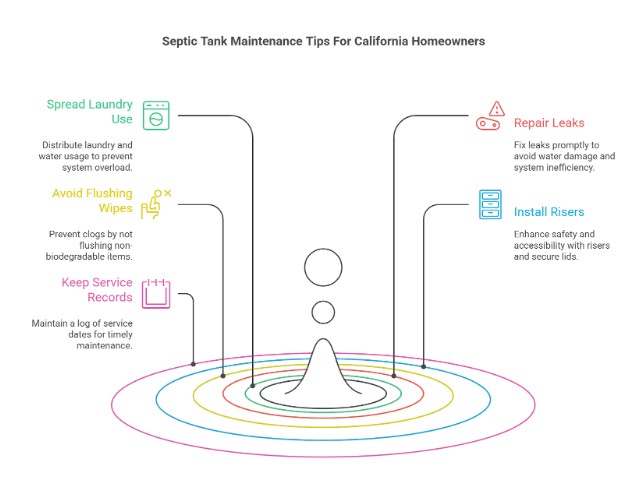
Taking care of your septic system helps you avoid costly repairs and keeps your tank going strong. Smart water use, fixing leaks fast, and being careful with what you flush all make a big difference.
If you live in California, spread out your water use and keep track of maintenance—your system will thank you.
California septic tanks perform best when water enters slowly. If you dump a ton of water in at once, the system can get overwhelmed, and waste can rush into the drain field.
Washing machines are usually the biggest water hogs. Running several loads back-to-back can flood the tank before solids have a chance to settle.
Try spacing laundry loads by at least 2-3 hours. That gives your tank time to process everything properly.
Daily water usage tips:
Big families should spread out water-heavy chores over the week. Too much water at once messes up the separation process in your tank.
Leaks put a constant strain on septic systems and waste shocking amounts of water. Even tiny drips add up fast.
Common leaks come from toilet flappers, dripping faucets, and running toilets. Just one running toilet can waste 200 gallons a day—imagine that flooding your septic tank nonstop.
Check for leaks once a month. Read your water meter before and after 2 hours without using water. If the number changes, you’ve got a leak somewhere.
Leak detection steps:
With California’s dry climate, saving water is even more critical. Fixing leaks eases the load on your system and keeps things working right.
Septic tanks rely on bacteria to break down waste. Harsh chemicals kill those bacteria and mess up the whole process.
Don’t flush these:
Wipes don’t break down and clog pipes or pumps. Most of them have plastic fibers that never decompose—bad news for your tank.
Grease hardens in pipes, forming thick scum layers. Pour cooled grease into a container and toss it in the trash instead.
Household cleaners should be septic-safe and used sparingly. Look for “septic system safe” on the label, or stick with old-school options like vinegar and baking soda.
Make sure everyone in your household knows what can and can’t go down the drain. Keeping your system healthy means avoiding chemicals and non-biodegradable materials.
Most septic tank access ports are 1-2 feet underground, making inspections more difficult and more expensive. Adding risers brings the access up to ground level.
Riser benefits:
California tanks usually have concrete or plastic lids, and both can crack or shift. Pumping trucks and heavy gear sometimes damage buried lids, too.
Risers cost about $300-800 to install, but you’ll save money every time you get service. No digging means less labor and hassle.
Safety matters when you pick riser materials. Go for high-quality risers with locking lids to prevent accidents or unwanted access.
Mark where your risers are and keep them easy to reach. Don’t plant trees or build anything over your septic system—future you will appreciate it.
Keeping detailed maintenance records really helps you track septic pumping schedules and spot problems early. Professional septic services check the scum and sludge layers during inspections.
Essential records to maintain:
If you own a home in California, plan to pump your septic tank every 3-5 years. The right schedule really depends on how many people live in your home and how much water you use.
Good records make it easier to figure out when you actually need pumping next.
They also show insurance companies and buyers that you’ve taken care of your system. I mean, who wants to buy a house with a mystery septic history?
Digital records are far better than old paper files that disappear or get coffee spilled on them. Snap photos of your service reports and stash them in cloud storage so you can find them later.
Tank pumping costs usually run about $300-$500 in most California areas. When you keep good records, it’s a lot easier to budget for maintenance and avoid those last-minute, wallet-draining repairs.
From slow drains to standing water, Lanik Septic protects your home from costly damage with reliable service across Southern California. Contact us now to schedule.
If you’re ready to get started, call us now!
What are the first signs your septic tank is full?
Slow drains across multiple fixtures, gurgling toilets or sinks, sewage odors indoors/outdoors, pooling water near the tank/drainfield, and unusually lush grass above the system are common signs.
How often should you pump a septic tank in California?
Most households should inspect every 1–3 years and pump every 3–5 years, with frequency varying by tank size, household size, and water use.
Is it safe to open a septic tank yourself?
No. Septic tanks can contain toxic gases (e.g., hydrogen sulfide, methane), and lids are hazardous to move—leave inspection/pumping to licensed pros.
Can heavy rain cause septic backups?
Yes. Saturated soil reduces the drainfield’s ability to absorb wastewater, leading to backups or pooling; minimize water use until conditions improve, and schedule an inspection.
What’s the difference between a full tank and a clogged pipe?
A full tank usually shows system-wide symptoms (multiple slow drains, odors, pooling); a clog is often limited to one fixture/line. Persistent issues after pumping suggest problems with the drainfield.
Why is my grass greener over the drainfield?
Greener, faster-growing grass above the drainfield can indicate effluent surfacing or a drainfield leak—schedule a professional inspection.
What should I do if sewage backs up into my home?
Stop all water use, keep people and pets away from affected areas, and call a licensed septic professional immediately; don’t attempt DIY cleanup due to health risks.
Reviews
“This company is BEYOND helpful. Great customer service in the office, hard working employees in the field, reliable and very trust worthy. Having to replace an entire septic system is not something we ever intended on doing, but had to. If it hadn't been for Lanik Enterprises, Inc, I don't know where we would be. I HIGHLY RECOMMEND Lanik Enterprises!”
- Chanel Leos
